Thursday, May 21, 2015

GI Blog #2 Why milk drinkers are mutants and lactose intolerance is the new normal

Years ago while doing my training in gastroenterology, I performed the very first lactose breath test in a 32-year-old volunteer who often drank milk and ate ice cream. After an uneventful first hour, the test confirmed his lactose intolerance in dramatic fashion – a rapid dash to the bathroom that resulted in watery expulsion, along with a rise in hydrogen gas in his sampled breath. This was my first confirmed diagnosis.
So why milk? (Disclosure, I am not paid by the National Dairy Council.)

Milk is an abundant source of calcium and vitamin D. Vitamin D promotes calcium absorption and bone health and prevents rickets and osteoporosis (thinning of bones). In Florida, ultraviolet light activates vitamin D in your skin, but in Wisconsin, higher calcium intakes compensate for the lack of sun exposure in winter. But milk is also full of lactose, the milk sugar. 

Lactose absorption
Your small intestine is lined by villi, which are small, finger-like projections that absorb nutrients. These villi are lined at the tips by lactase enzyme, which is the protein that splits lactose, a double sugar, into glucose and galactose for absorption by the intestine. In someone with lactose intolerance, the unabsorbed double sugar traps water and passes on to the colon where it causes gas, cramps and diarrhea.

Testing for lactase deficiency
The original test was to give lactose sugar in water and measure rising blood levels of glucose. This has been replaced by the noninvasive breath hydrogen tests, which are great for kids and adults. We also can measure lactase enzyme in biopsies taken from the small intestine during endoscopy, but it is too invasive and costly to do when trying to diagnose lactase deficiency alone. 

Who gets lactose intolerance and who doesn’t?
All babies have lactase enzyme during breastfeeding, but in most of the world once they are weaned, the enzyme is turned down, and they eventually become lactose intolerant. The same pattern applies to the animal kingdom: Dogs, cat, cows … all mammals, in fact, become lactase deficient when there is no further milk exposure after weaning. In Asia, Africa and the Middle East, lactose intolerance can affect 80-90 percent of the population. 

It’s the other way around for those of northern European descent as 90 percent or so have lactase persistence and can drink milk as adults. They deviate from the normal biological pattern due to a mutation that allows the lactase enzyme to persist beyond the point of weaning. Yes, a mutation leads to milk drinking!  

What is the advantage of lactase persistence?
When a trait is common, there is usually some biological advantage to it. And so it is with lactase persistence. Over the past 10,000 years, it allowed hunter-gatherers to become stable dairy herders. Because calcium for bones is so important, it also allowed people to live in such inhospitable locales such as sunless Sweden – and even Wisconsin! Having lactase enzyme beyond infancy may have even prevented pelvic rickets and allowed normal babies to be born.

What symptoms do you get?
We mentioned the typical symptoms – gas (topic of another blog), bloating, grumbling, crampy abdominal pain, and diarrhea. However, a number of studies in kids and adults show that giving lactose sugar to lactase-deficient patients doesn’t always cause symptoms. There is also evidence to suggest that you get symptoms from milk when lactase deficiency is combined with irritable bowel syndrome (IBS). That is, the lactose in the colon causes gas, triggers spasms and pain from IBS. Hmmm, so it is complicated, less clear than one would think.

So you are lactose intolerant, what to do?

The latest National Institutes of Health consensus panel (of which I was an early member) suggests continuing to drink/eat some milk/dairy due to its high nutritional value, rather than eliminating it. In fact, most lactase-deficient individuals can drink up to one-half to 1 glass of milk without symptoms – you have to find your tolerance level and stay below it. Cheese and yogurt (because it contains bacterial lactase) are better tolerated than milk or ice cream. And there are over-the-counter lactase enzyme pills you can take with dairy.

That volunteer subject with lactase deficiency? That was me. Now I know I am quite normal and don’t have a disease! Caucasians who are lactase persistent, on the other hand, are mutants. I had to spill the milk and speak the truth. See you at Culver’s.

Terminology                                                                                          
Lactose (sugar) intolerance – you develop GI symptoms when drinking milk
Lactase (enzyme) deficiency – you have low lactase levels but may or may not get symptoms when drinking milk
Lactase (enzyme) persistence – you have normal lactase enzyme levels from a mutation

- B Li, MD, gastroenterologist, Children’s Hospital of Wisconsin

 [

Monday, March 30, 2015

Announcements - Match, Memorial, Vietnam

Ben's future

It's a match!

Ten days ago on the day when all 4th year medical students learn where they will spend the next 3-4-5 years in residency training ... Ben opened his envelope and was surprised to discover that he will be going to the Rocky Mountains, his far and high (literally) reaching first choice.  This is Denver Health (U. Colorado), a top five program in adult Emergency Medicine.  He is so excited.  His papa (and mama who always believed in him) are so so proud.


Dad's second memorial celebration

This will take place on Saturday May 30th, 2015 at the Kansas University Alumni Center in Lawrence, Kansas from 4:00 pm - 8:00 pm.  There will be an informal celebration, photos, followed by an Indian dinner.  This is primarily for his local Lawrence friends and colleagues, and his grown-up former graduate students.  We look forward to seeing some of you there.


Ben Theresa and B's trip to Vietnam

Ahhh delightful. 
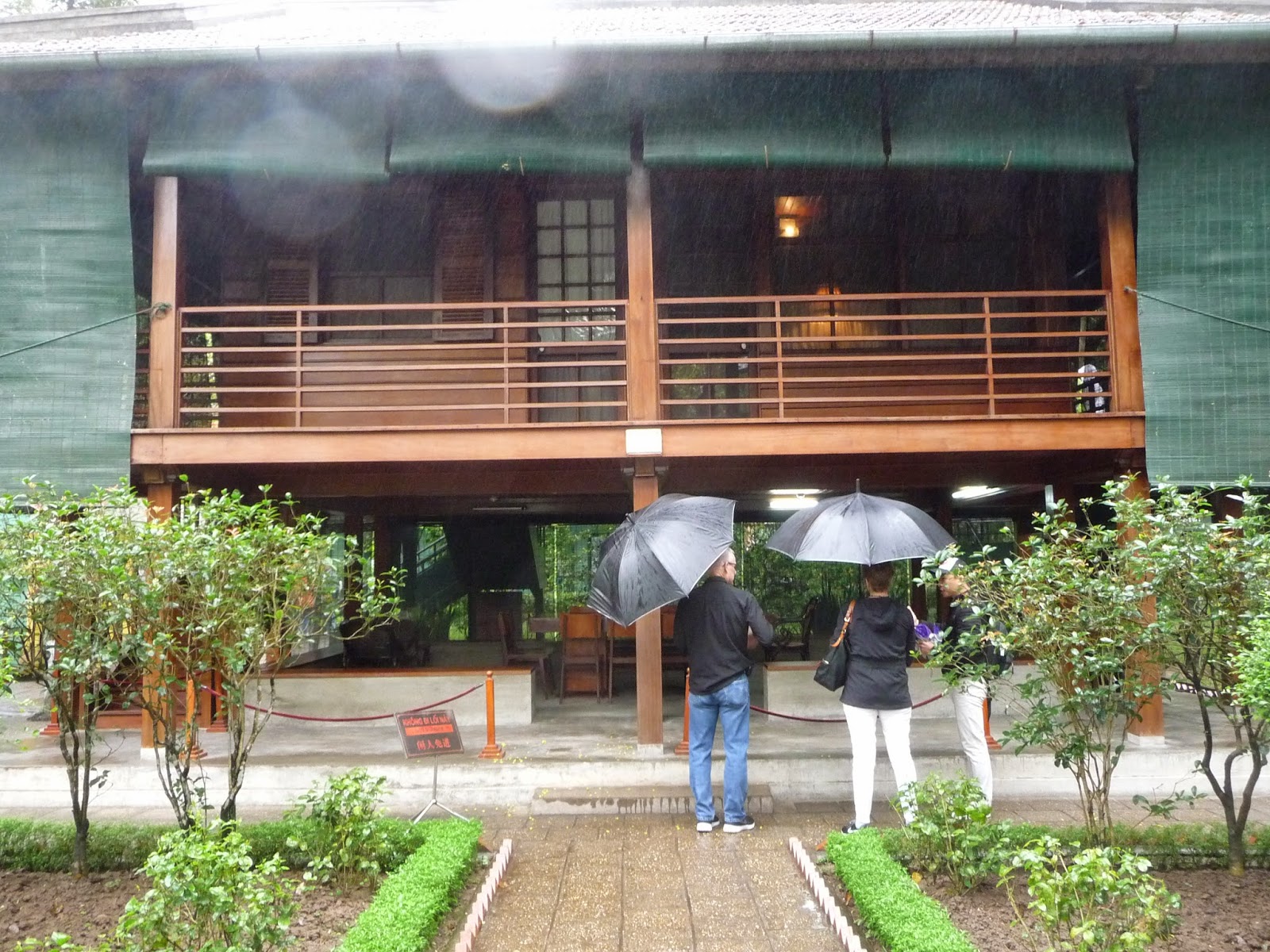
Ho Chi Minh's house on stilts - his peaceful hub of wartime decision making

A 'family of 4' scooter

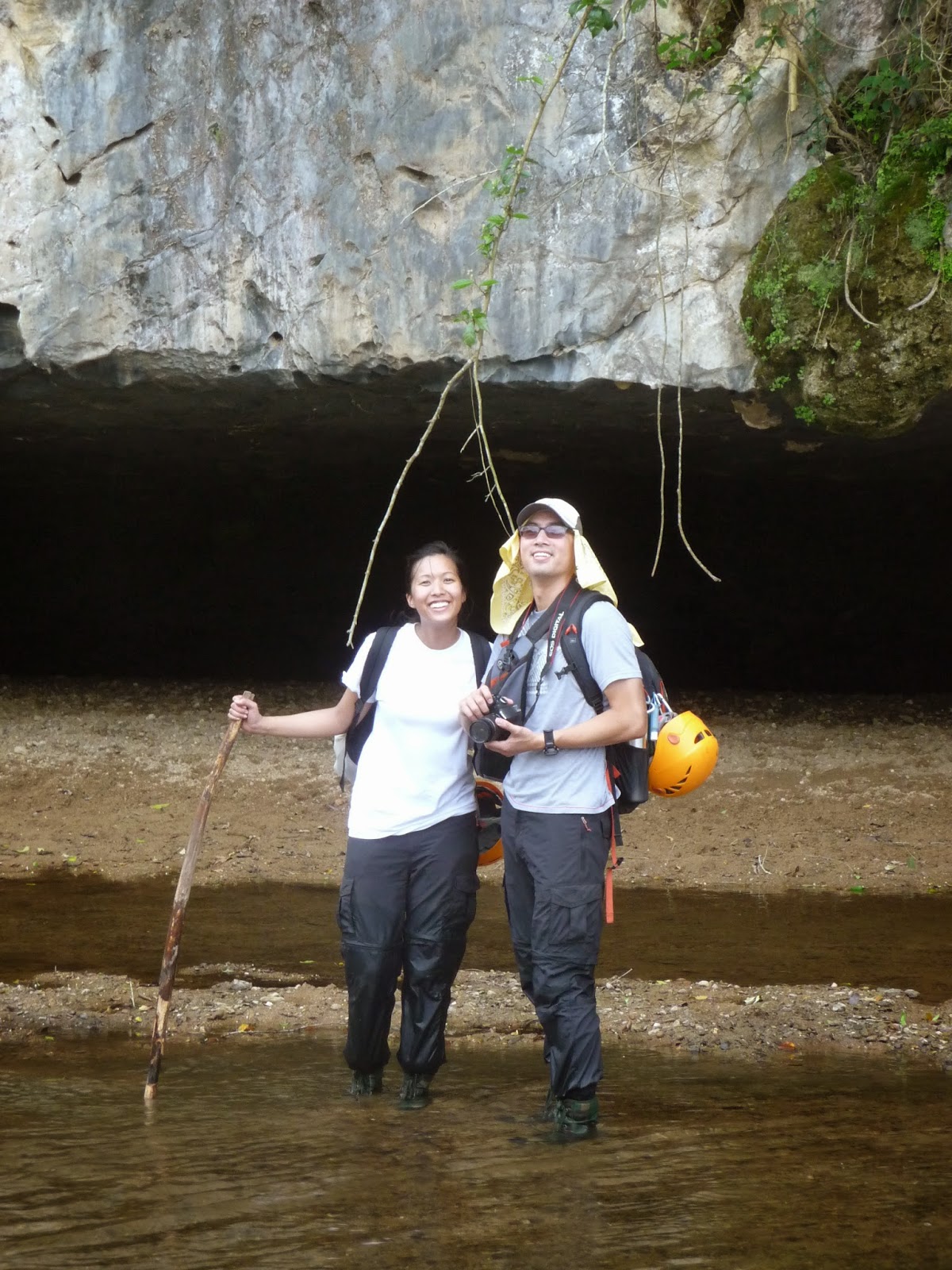
Phong Nga with tower karst like Guilin - where we trekked

2 day trek down/up the mountain through the jungle

Theresa and Ben, wading through leechy waters - she caught one!

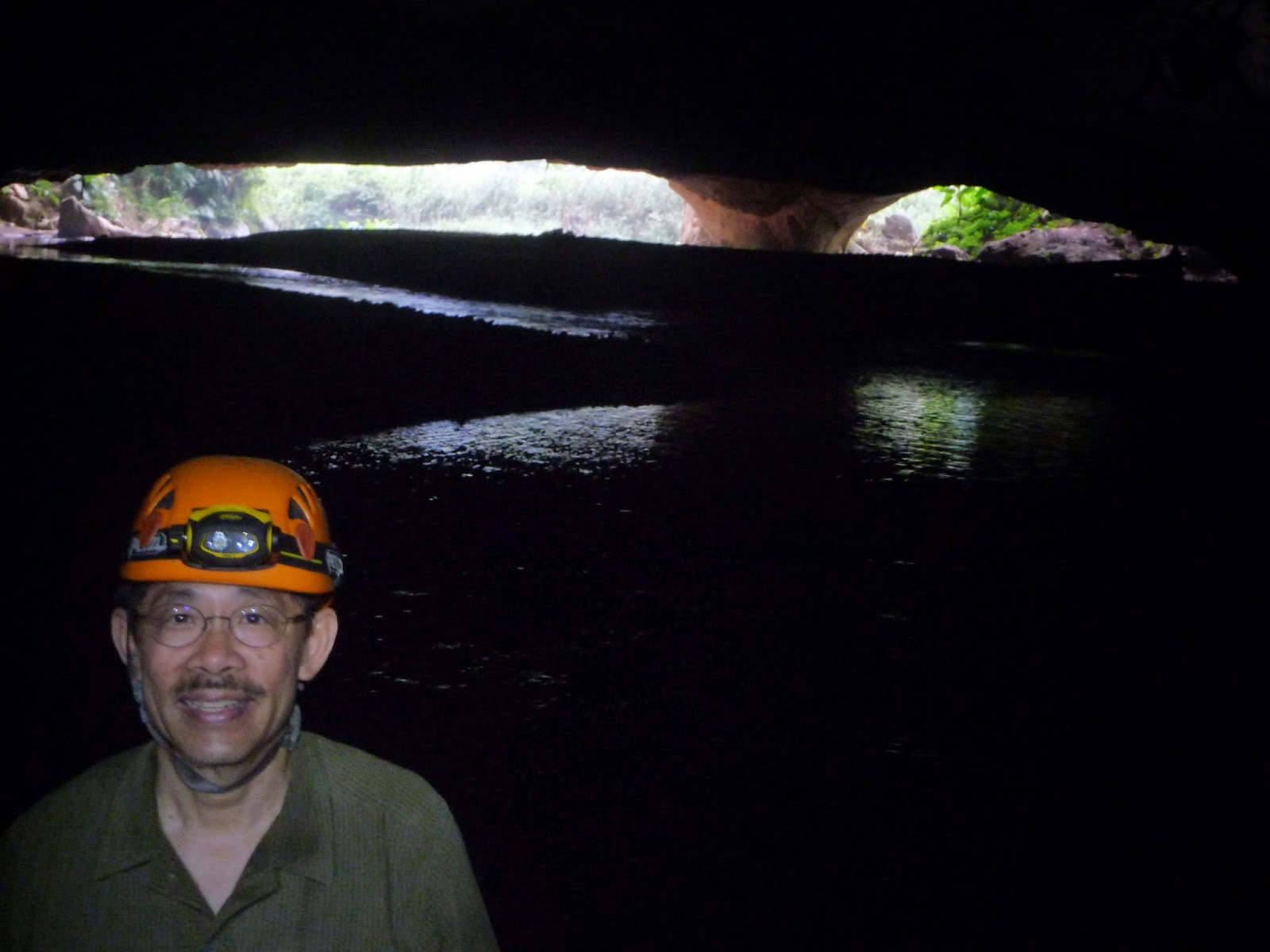
Entering the crease into the world's 3rd largest cave - 300-400 ft high, 1 mile long

Magnificent

Speechless

Camping on a sandbar in the middle of the cave

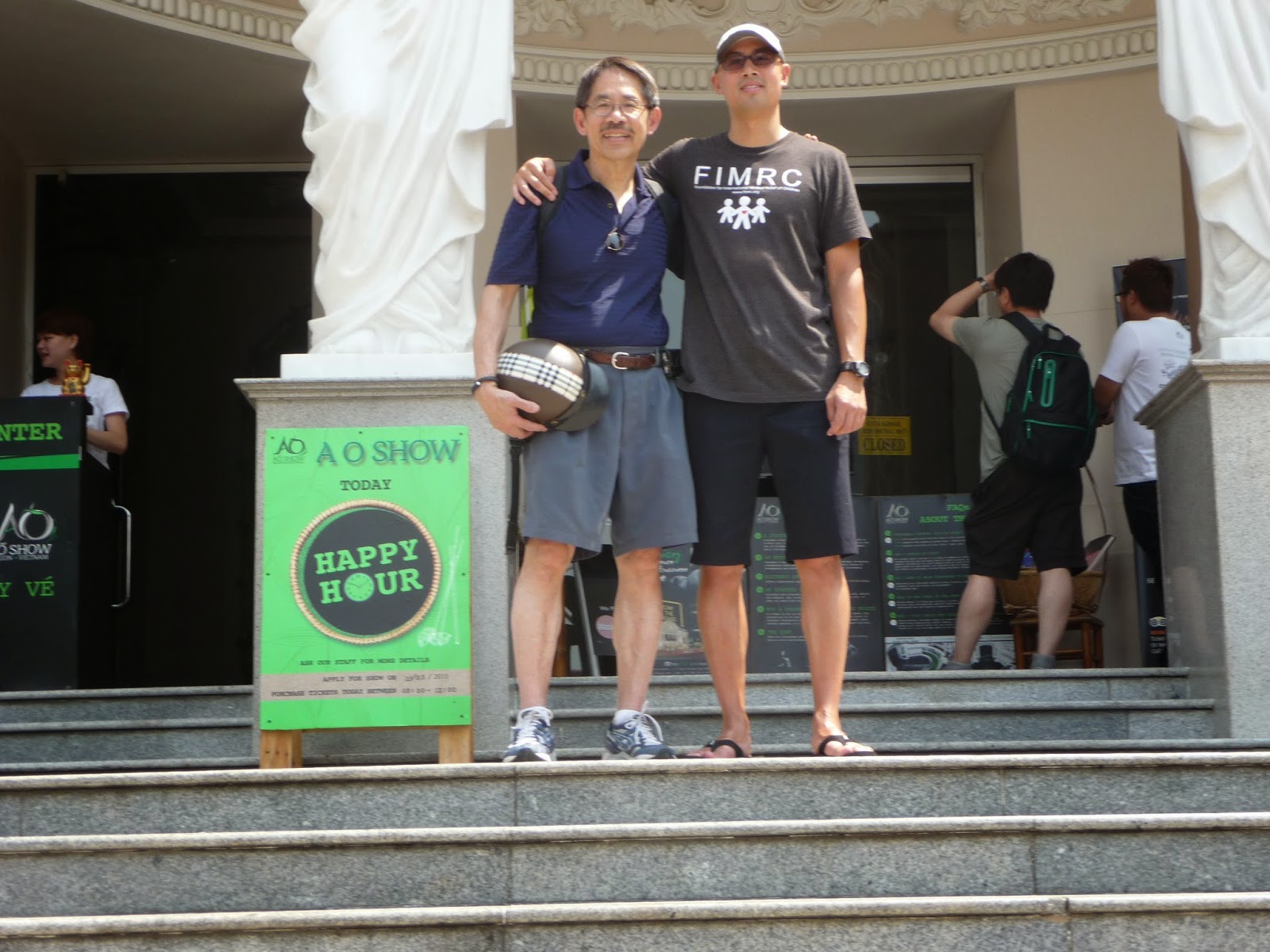
Happy, happy hour at the opera

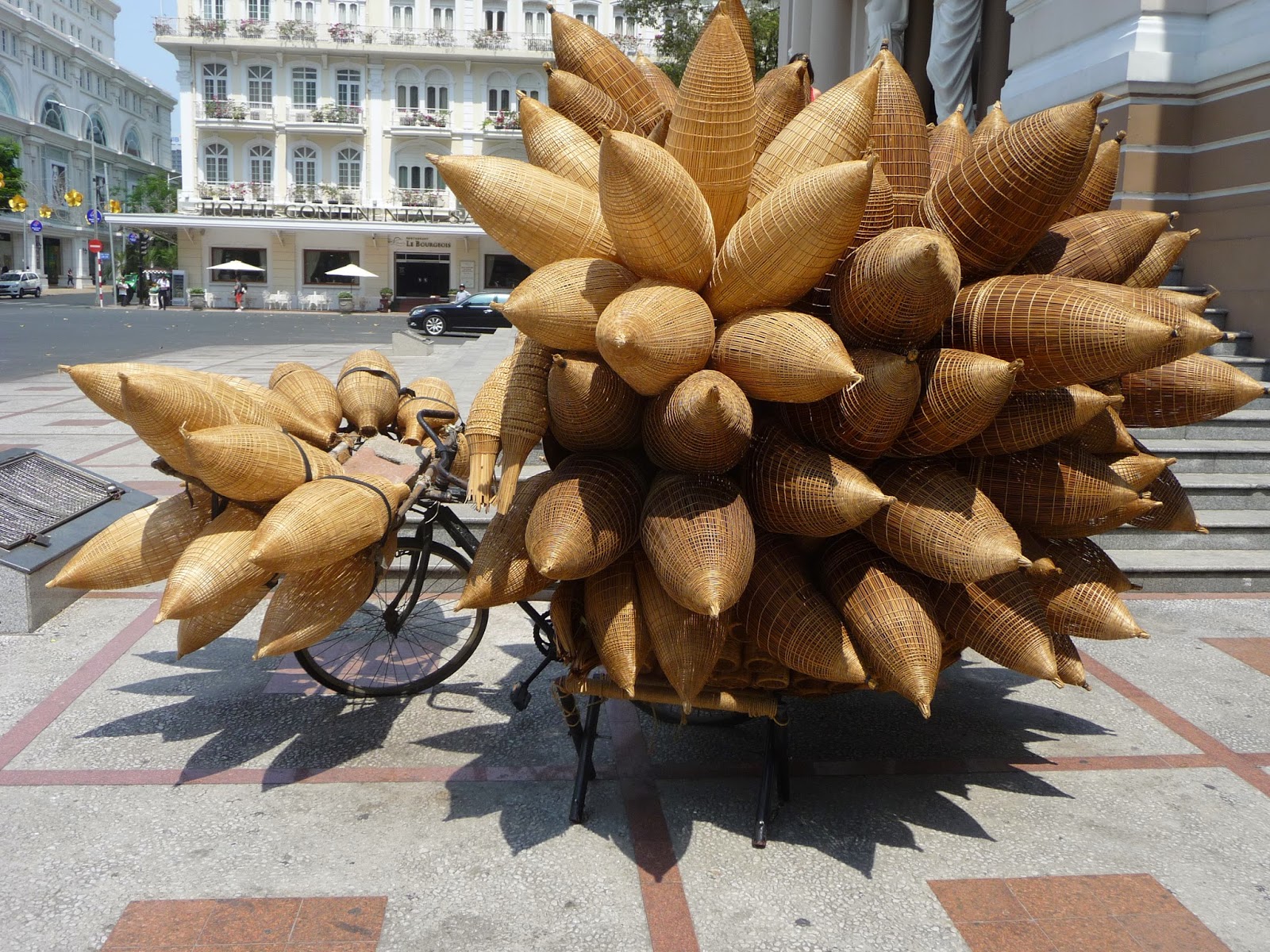
Ben's bamboo bicycle - brown, logistics

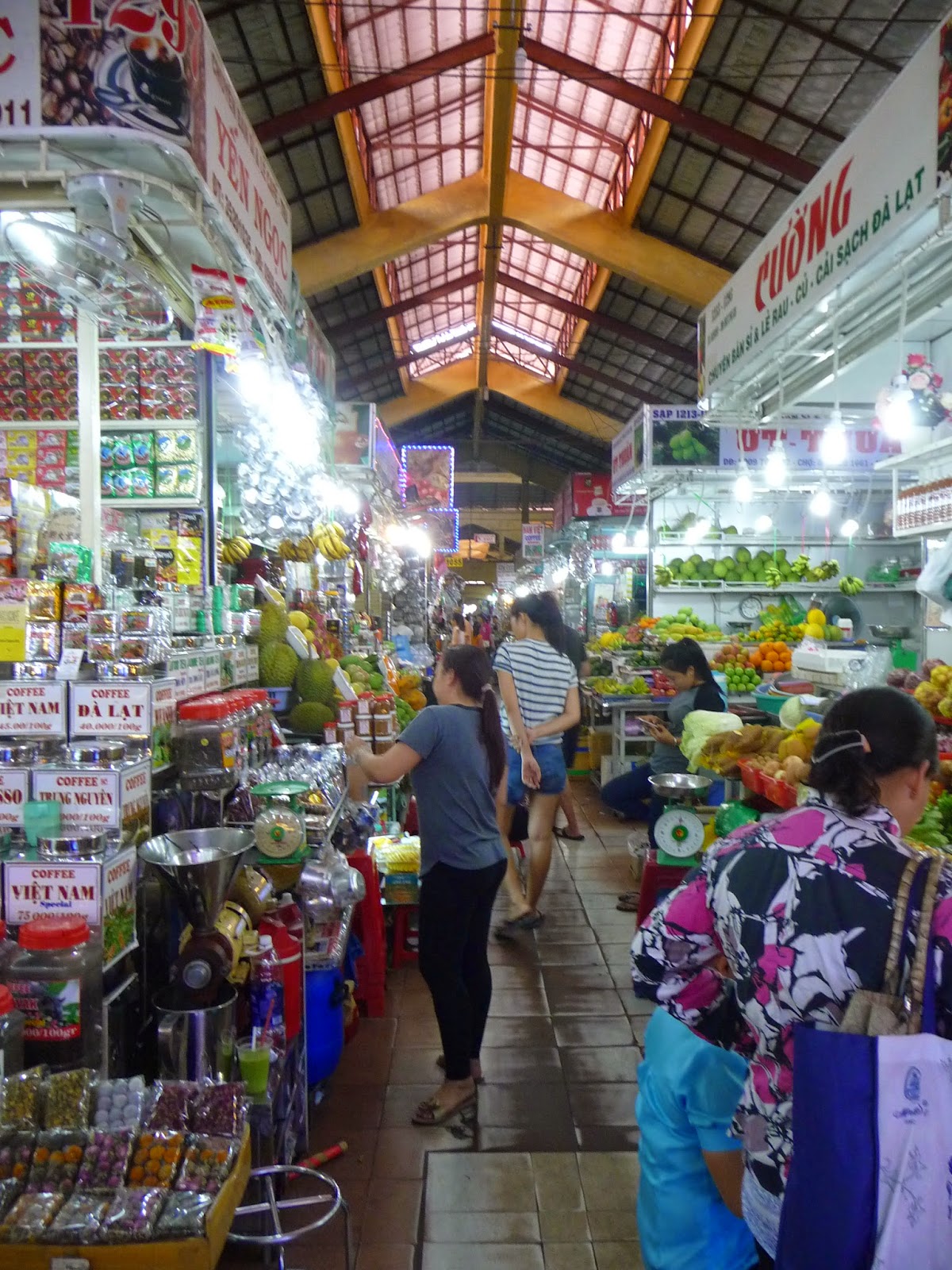
Ubiquitous markets, bargains, 1,000,000 dong = $46

Tuesday, February 17, 2015

B's GI Blog - The Straight Poop: How bugs in your bowel affect your health

This is the first installment in a pediatric GI blog that I started at Children's Hospital of Wisconsin.  Hope you enjoy.

“Poop,” my 2-year-old granddaughter says enthusiastically. “Me. Look … Woooow!”

She’s acquired the curiosity bug and wants to view the poop before it’s flushed away. She’s clearly on to something, because that poop is a significant indicator of her health.

Wait, what?

I am talking about the intestinal microbiome (the entire colony of bacteria that resides in our bowel) and the intestinal microbiota (the specific bacteria that live in the colony).

We used to consider bacteria in the bowel as purely discarded waste and the source of contamination and serious infections. But over the past two decades we have come to view them in an entirely fresh light.

Here are some fun facts about the bacteria that live in our intestine, mouth and skin:

100 billion bacteria live in stool the size of one’s pinkie
The entire colony of bacteria weighs about 3 pounds, nearly the size of your brain
We have 10 times more bacterial cells than we do human (eukaryotic) cells

The colony of bacteria affects our health in two main ways: Our immunity by influencing the development of inflammatory bowel disease, food allergies, and even celiac disease; and our metabolism by influencing the development of obesity and diabetes.

Obesity
How is excess weight gain linked to bacteria? We’ve known that they help keep us well hydrated by fermenting sugars to short-chain fatty acids that help absorb water from the colon. When your child takes antibiotics like Augmentin, you reduce this fermentation and water absorption, and may develop diarrhea. In obese individuals, the microbiota profile is altered to work at high efficiency to absorb extra calories from carbs. In one clever study, the colonic bacteria from human twins – one obese and one not – was injected into sterile mice. Those receiving the obese bacteria gained weight faster than those given the slim microbiota. This excess weight gain could be reversed by using the “slim bacteria” or by a vegetarian-type diet. So, mouse obesity may be transferred (and reversed) through those little bugs in the bowel!

Bacterial diversity
How do we acquire our own intestinal microbiota? It begins when we become fully colonized by bacteria within 24 hours of being born. Birthing profoundly affects the microbiota, as those born by cesarean section have different and less diverse microbiota than those born vaginally. This appears to increase the subsequent risk of developing food allergies and inflammatory bowel disease (IBD), Crohn’s disease or ulcerative colitis later on. Although the microbiota largely become set by the time we’re toddlers, other factors influence its composition. Diet is a major one, especially poorly digestible sugars and fibers. Repeated courses of antibiotics in toddlers reduce the bacterial diversity and raise the risk of developing IBD. Finally, probiotics (beneficial bacteria) can alter the microbiota as long as they are taken, but in most disorders we don’t know exactly which bacteria, the exact dose, how long to treat, or whether they should be used in combination.

I could wax probiotically on and on but I’ll save that topic for another blog.

Poop transplants
Dangerous infections like Clostridia difficile (C. diff) illustrates the potential power of the intestinal microbiota. This bug can colonize (live without causing symptoms or disease) the colon, but under conditions of prolonged pest control (antibiotic), the flowers (good bacteria) are destroyed, and the weeds (C. diff) overgrow, causing fever and bloody diarrhea from serious colonic inflammation. This infection can resist our best antibiotics. In an exciting recent development, fecal matter transfer (FMT) aka poop transplant from a healthy donor (usually a family member or volunteer at a fecal bank in Boston where deposits are deposits) can eradicate resistant infections in 90 percent. This therapy is usually administered through a colonoscope while the child is asleep. This odiferous approach is likely to be used to treat other conditions as well.

Steve Werlin, MD, in our gastroenterology group has been our local FMT champion here at Children’s Hospital of Wisconsin and has cleared institutional concerns and followed the latest national guidelines to ensure that family donors are safe. We performed the first one together, and are now up to seven, all successful, in eradicating C. diff. Can you imagine wearing a bold sticker proclaiming “I donated poop today!”
What is the bottom line?
Joking aside, bugs in the bowel are a vital key to our overall health.

This area is so important that the NIH has the funded a national Human Microbiome Project – Dr. Nita Salzman in our group is a leader in the basic science research. It appears that a more diverse population of bacteria of better microbiota could protect us from developing a slew of common chronic disorders.

We are just scratching the surface of a very complex area, but will eventually know how to treat or “untreat” (with fewer or more selective antibiotics) the intestinal microbiome.
Prepare your noses and get used to it. Poop transplants are here to stay.

As for my granddaughter who started this, if she doesn’t outgrow her toddler fixation in a few years, maybe she’ll become a gastroenterologist like Grandpa.

Friday, September 19, 2014

Chu-tsing Li 1920-2014


Chu-tsing Li passed away peacefully Tuesday, September 16th at the age of 94 at St. John’s on the Lake in Milwaukee, Wisconsin. 

He graduated from Puiching High School in Macao, received a BA in English from Nanjiing Univ. in Chengdu, China, an MA in English from and PhD in Art History from the Univ. of Iowa (1954) where he taught for 10 years.  Teaching at the University of Kansas for 19 years, he was the Judith Harris Murphy Distinguished Professor of Art History and Research Curator, Nelson-Atkins Museum, Kansas City.  He received a Ford Foundation Grant to retrain in Chinese Art at Harvard and Princeton Univ. (1960) and an American Council of Learned Studies Grant to spend a one-year sabbatical in Hong Kong, Taiwan, Japan (1964).  He visited China frequently after 1972 and became the first Fulbright Visiting Exchange Scholar to China in 1979.

He had an illustrious academic career in Chinese art history. A tireless teacher, he mentored 28 PhD and 50 MA students who have taught or curated at Princeton, Washington Univ. St. Louis, Arizona State Univ.; Harvard, Phoenix Art and Asian Art (S.F.) Museums and National Palace Museum, Taiwan.  A relentless scholar of Yuan painting, he published some 19 books and catalogs including the seminal Autumn Colors on the Ch’iao and Hua Mountains by Chao Meng-fu (1964), and on artists from the Ming, Qing Dynasties and contemporary works.  With a keen eye, he first recognized merit of contemporary (abstract) Chinese ink paintings in early 1960s, organized exhibitions, published catalogs and opened up the field.  Many of his collected works in A Tradition Redefined: Chinese Ink Paintings in the C.T. Li Collection will be donated to Harvard and Phoenix Art Museums.  He touched many graduate students, art historians, collectors, curators and Chinese artists throughout the world with his rigorous, yet humble approach.

He was husband of the late Yao-wen Kwang Li (56 years).  He was son of deceased Wu Zi Li and Jing Tran Hsieh (Taiwan).  He was father of B U.K. Li (Milwaukee) and Amy Lee (Portland).  He was grandfather to Rachel Li Cullivan (spouse John NJ) and Benjamin Li (MI), and Daniel Lee, Brandon Lee, Christopher Lee (OR).  He was great grandfather to Jack and Naomi Cullivan.  He was preceded in death by elder and younger brothers Chu-ling Li and Chu-shan Li.  He is further survived by relatives in California, Taiwan and Guangzhou, China, his birthplace.

There will be an informal reception in November 2014 in Milwaukee, Wisconsin TBA. There will be a formal memorial service in May of 2015 in Lawrence, Kansas TBA.  In lieu of flowers, contributions may be made to Chu-tsing Li Award for Graduate Students in Chinese Art, University of Kansas Endowment Association, P.O. Box 928, Lawrence, KS 66044.

Sunday, July 27, 2014

An extra ordinary day with Ray

Our Passat packed with laden memories raced inexorably west towards Madison on this sunny tennis-friendly summer day.  As the time became compressed by distance, I wondered what to say at Ray’s memorial service.  There was so much history together.  How could I even begin to tell it?

Back in time

It began during my pediatric residency.  Ray and Memée were both teachers, as chief of neurology and as general pediatrician, and Memée became Rachel and Ben’s first pediatrician.  As surrogate parents, they adopted Teri and I, inviting us over for regular and Thanksgiving dinners.  We experienced immediate warmth, unequivocal acceptance, and a home away from distant homes.  We came to know Michael, Ru and Mark each.  And, Ray and Memée entrusted us with their brood and Mr. Chips (feisty terrier) for a week while they went on their first vacation by themselves.  We became … extended family.

More memories.  He plays with a child on the clinic floor to diagnose subtly and nonthreateningly.  He begins the work day with a communal effort on the NY Times X-word puzzle.  He patiently plays the human backboard, ala Pancho Gonzales Chun, with those of us with lesser abilities with the racquet.  He lends us his station wagon to cart two families, two dogs, and camping gear to Michigan.  He blends professionalism, humanity, fun and family, perfectly.  Ever kind, respectful, present in the moment, Asian.  He is my role model.

Fast forwarding, all three Chun ‘kids’ babysit our Rachel and Ben for our nights out.  Further forward, we/they visit/stay with Ru/Jim, Mark/Marianne and Michael/Tina and their kids in Madison, Columbus, Chicago, Milwaukee, Manhattan (KS and NY!), Seattle, and Hilo HI.  We peak together atop Manau Kea on the Big Island from which we view the majesty of all the Islands.  It is a unique multigenerational relationship. 

Our last day

The talk to the UW APAMSA Chapter was a scheduled excuse to spend time with Ray and Memée.  Teri and I would typically stay overnight at their Madison B&B every few months.  Apart from whatever specific stories we shared about our kids and our lives, we would always experience the timelessness of profound friendship, whatever the time gaps, and always the parting nostalgia of leaving the warm hearth of home

Ray had AML that he ‘shared' with Teri that had now become refractory to treatment.  By all measures, he had far out survived all projections withstanding 26 rounds of monthly chemotherapy.  He spent his good interludes working out, spending time with family and friends, and even playing his beloved tennis!  But we all knew the time was becoming essence.

I had some trepidation about whether I would intrude, but Memée reassured me that I could be helpful.  I received a text from Ru that he was in the clinic that morning with a fever, possibly to be admitted, but desiring to come home. 

Ray was propped up on the couch in his comfortable sweat suit, pale, wan and uncomfortable.  He greeted me warmly with a smile and hug.  He was feverish, sweating.  A large mouth sore rendered it painful to eat.  Low back pain made it difficult to find a comfortable position,. 

Memée fastidiously administered all of his routine medications and new antibiotics as if on a Japanese train timetable.

We had a quiet dinner.  He reminded me about a dinner at the Ichiban Sichuan Restaurant that the UW students had organized for me in 2008.  I was ponderously blank and then, yes, his recollection was immaculate.  And, he had not attended that dinner! 

Memée asked me how long.  Despite my experiences with Teri, I said I didn’t know exactly, but given all the signs, not long. 

Then, Saturday arrived, and the portentous clouds miraculously dissipated.  Ray’s fever abated.  His color returned.  His mouth was feeling better.  Ray... was … his usual self.

At breakfast, he queried me about how I’m working with our new Chairman of Pediatrics.  Amidst the impending kismet why in the world is he asking about me?  But then I realized that is Ray, always concerned about others.  Genuinely curious about me. 

We hung out, quietly aware of the other’s presence. 

A grand luncheon with friends and family together.  Kok Peng and Anna, Aaron and Sal, Ru, Jim, Elliot and Althea for lunch.  Eclectic, Vietnamese and Chinese food.  Ray’s mouth was feeling sufficiently better that he ate won tons and noodles brought back from Vancouver … more than he had in 3 weeks according to Memée. 

His back was sore so I spontaneously gave him a rub.  He said it felt better.

As our day came to a close, I was both in the moment and outside looking upon the moment, aware that it was likely our last time.  I marveled at Ray’s effervescent glow, his centered equanimity and his considerate grace to the very end.  Other worldly

As I was leaving, we gave each other a hug, and spontaneously I whispered for the first time, “I love you.”

A few days later, Ray passed away quietly in his sleep.  Ru told me his last words were ‘thank you’ to his nurses.  At peace, true to himself.

Ray’s memorial service

There in front of Ray’s extended family, former fellow residents and former professors, my eyes welled and chest heaved.  In a moment of clarity, I realized that I would share that singular, unforgettable day.  A last day, a last good day, a quintessentially Ray day. 

So ordinary, yet in that way, so remarkably extraordinary. 

So I did.  

Friday, July 18, 2014

Two close calls

It culminated on June 4th – the 25th anniversary of the Tian An Mian massacre – a cataclysmic day in Chinese history. 

Dad became weak at the dinner table in his assisted living abode at St Johns on the Lake where he had been living since January.  Prior, he had fallen repeatedly.  Either I or his helper kept discovering him on the floor, necessitating visits to the Emergency Room.  He also set off the fire alarm with consequent police and fire response.  Although he could no longer live unattended, he became understandably disconsolate with the move out of his apartment.  

On that recent night, he was taken to the Emergency Room and admitted to Columbia St Mary’s Hospital.  In short order he was discovered to have a superbug infection in his blood emanating from either his bladder or lungs.      

Ben asked if he should come home.  I didn’t know how imminent Dad was, but encouraged him to come home that weekend. 

Dad perked up by day 3, presumably from the antibiotics, then began to pass massive blood clots from internal bleeding.  He was transferred promptly to Intensive Care.  Over the next few days, he received 4 packs of red blood cells (40% of his blood volume) and 4 units of fresh frozen plasma to reverse the effects of the chronic blood thinner.  His blood pressure dropped precipitously and his nurse called Ben and I to return to the hospital that night. 

The doctors asked us if we would be willing to use pressor (vasoconstricting) agents to boost his blood pressure.  His living will states no CPR, or endotracheal intubation.  But there remain key decisions on intermediary interventions lying somewhere between supportive and aggressive measures.  A difficult decision.  I felt that that support was appropriate short term.  Should we do a non-invasive bleeding scan and/or an invasive colonoscopy to localize the source?  Since the bleeding was presumed to derive from diverticula (abnormal outpouchings), the end game would include surgery, for which I felt he was not a candidate.  Therefore, we didn’t proceed to do the tests (but perhaps should have in hindsight).  Finally, the bleeding stopped and his blood pressure stabilized.

He recognized Ben and I, and asked appropriate questions of Ben.  How is school?  Is Theresa still in San Francisco?  But he had no recollection of how he came to be admitted.  Nine days later, he was transferred back the nursing area of St. John’s

Dad survived a catastrophic double hit, a superbug infection and gastrointestinal bleeding.  A near miss.

Then, six days later, after I had fed him and tucked him in for the night, he began to pass large clots again.  To the Emergency Room to be admitted to the Intensive Care, followed by three more units of blood (70% now replaced).  Another gastroenterologist felt it could be helpful to do a colonoscopy and indeed he was right.  He found the source.  Two ulcers one with a visible bleeding vessel that was cauterized.  The bleeding stopped.  In a gesture of professional courtesy, he showed it to me endoscopically. 

He survived another life threatening bleeding episode.

Back to the nursing area.  He needed 3 weeks of IV antibiotics to eradicate the superbug.  He required continuous oxygen.  He had difficulty swallowing and all liquids were thickened.  He was no longer able to dress himself or ambulate.  He lost 20+ lbs.  I fed him because he ate better for me than the staff.  He spoke once about this ‘being his last phase’.   However, he remains optimistic and awaits ‘the Mongolian prime minister who will bring a special potion to restore my memory and eyesight to the age of 65 – the effect will last for 2 years.’  I told him that I too need a sip.

So here we stand at the precipice, on a historic anniversary, for the penultimate historian.  As his 22/7 care taker until January, I only know too well the cracks and crevices at the edge.  And he’s been over the edge more than once.  Yet all in all it is quite amazing how far he has journeyed.  Last summer I took him at the age of 93 to Vancouver for 5 weeks with all its challenges.  I brought him home every other week for dinners until May.  I took him out to a restaurant on his 94th birthday just a few days before this transpired.


Watching accelerating physical and mental decline and serious medical crises in such a vigorous individual.  I know it happens to all, in individualized ways, but it is nevertheless difficult to experience up close. 

Yet I have to appreciate how far we’ve travelled both psychologically and geographically (Lawrence, Mendham, Vancouver twice), recently, together … and this past year I’ve come to equanimity with my life with Dad as it is now, was (or was not), and will be.  


Thank you for your support and kind comments to me.

Wednesday, June 4, 2014

A remarkable, memorable, memorial day in NYC.

Sometimes, things just simply fall into place. 
 
Naomi is sad as Rachel and I go for a bike ride
Rachel, Steve, Mary (from Madison), and I set out from Mendham bright and early last Sunday to visit NYC.  John stayed behind to herd Jack and Naomi to the local beach, and survived to tell about it. 

The weather was perfect, sunny, short-sleeved, dry, breezy.

I had proposed two activities:  the 911 Memorial Museum and Beautiful: The Carole King Story with multiple Tony nominations.  It seemed like a good pairing of memorial then musical … in that sequence.

We began at the Memorial.  In the plaza, you can ponder the deep footprints of the twin towers resurrected as two endless waterfalls with the etched names of each individual.  We

descended into the subterranean expanse that lies beneath the waterfalls and houses massive steel skeletons, twisted, bent and fused by the impact and inferno alongside the slurry wall as a studded fortress.  It was Armageddon realized with pictures of fire and smoke, entwined metal,
looped footage of the crash, animated maps and timeline tracking each minute of the four hijacked planes.    

And it was so personal, as each was honored in a memorial photo gallery, on the wall, shown in a continuous projection with brief bio and narrative, and available by interactive computer.  There were the last cell phone calls from those aboard flight UA 93 to their loved ones.  There were many mundane personal items emblazoned with meaning.  Unlike other memorials, 911 conveyed the ever exponential impact of the loss of each of these innocents.  We all welled up.  The tragedy.  The senselessness.  The indelible impact.

We emerged to sunshine and relief.

Carole King was of Our Time.  We cherished her album Tapestry, the best selling album for a woman, ever.  She had so many hits ‘So Far Away’, ‘Will You Love Me Tomorrow’.  She and Teri both went to Queens College.  And, even more personal, Teri met Carole when she did a fund raiser for John Kerry at Mary and Steve’s house in Madison in 2004.  Then, Carole said ‘shall we sing’ and sang three songs on the piano for all there.  I remember Teri was singing when she returned with her signed album.  Coincidence!


On the main floor at the Sondheim Theater, Rachel turned to the woman seated next to her, eyes aglow, and said aren’t you Sandra?  Sandra, a neighbor who lives 3 doors down the hall in our Milwaukee condo building, was there celebrating her birthday with her daughter!  Same long-distance city, same show, same day, same time, same row, adjacent seats … 6 degrees of connection! 

The overture of familiar Carole King medleys started.  The catchy love tunes set against a 60’s backdrop recreated the excitement of writing a hit tune that just might ‘go to the top #1’.  Humor and drama captured Carole’s precocious naïvete, her creative musicality, and growth from songwriter for others to reluctant performer of her own.  It resonated with our imbedded recollections of ‘Some Kind of Wonderful’ ‘Up on the Roof’ ‘On Broadway’ ‘One Fine Day’ ‘It’s Too Late Baby’ ‘(You Make Me Feel Like) A Natural Woman’ … and ‘Beautiful’. 

Then it happened.  She sang (as did my idol James Taylor) our wedding song ‘You’ve Got A Friend’.  My chest started heaving.  The morning memorial laden with so many lost souls and encased memories of Teri overflowed together, rivulets running down my lien.  Rachel spontaneously grabbed my hand and held it tight.  Steve, then Mary, grabbed my other hand, and I held on.  It was softly painful, evocative, deeply cleansing.  Teri is so missed … yet she was there, we all agreed.  And she would just love Beautiful, the musical buff that she was, the wedding song I sang to her, Carole’s songs in Mary and Steve’s home, and of
Steve and Mary - Beautiful couple
all places in her home town.  A torrent of memories gushed at that moment … comforted by family, by best friends, and by Teri’s presence. 

It was the best, nearly … perfect day.

Jake Epstein - lead male - same shirt above